The Reproductive System
Anatomy and Function of Male and Female Reproductive Organs
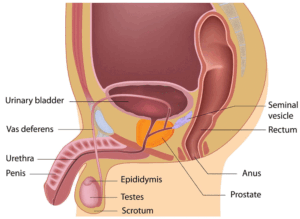
Male Reproductive System: The male reproductive system includes the testes, seminal vesicles, prostate gland, vas deferens, epididymis, and penis. The testes are responsible for producing sperm and the hormone testosterone. Sperm travels from the testes through the epididymis, where it matures, and then through the vas deferens during ejaculation. The seminal vesicles and prostate gland contribute fluids that nourish and protect sperm, forming semen. The penis is the external organ that delivers sperm during intercourse.
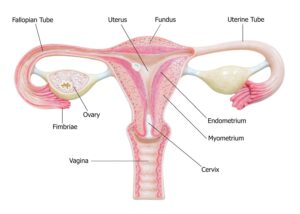
Female Reproductive System: The female reproductive system includes the ovaries, fallopian tubes, uterus, cervix, and vagina. The ovaries produce eggs (ova) and hormones such as estrogen and progesterone, which regulate the menstrual cycle and prepare the body for pregnancy. Eggs are released from the ovaries during ovulation and travel through the fallopian tubes, where fertilization by sperm may occur. If fertilization takes place, the embryo implants in the uterus, where it develops into a fetus. The cervix is the lower part of the uterus, and the vagina is the birth canal.
The Process of Reproduction and Hormone Regulation
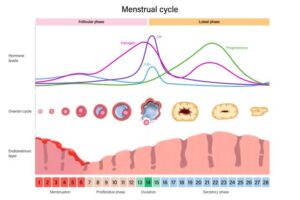
Reproduction begins with the union of sperm from the male and an egg from the female, known as fertilization. After fertilization, the zygote divides and forms a blastocyst, which travels to the uterus and implants in the uterine lining. The female body undergoes hormonal regulation during the menstrual cycle, with key hormones such as estrogen and progesterone controlling the preparation of the uterine lining for potential pregnancy. In males, testosterone regulates sperm production and the development of male secondary sexual characteristics.
The Menstrual Cycle
Understanding the menstrual cycle is crucial for sonographers to accurately assess ovarian and uterine health. During the follicular phase, developing follicles and endometrial thickening are observed, while ovulation is marked by the release of a mature egg and the formation of the corpus luteum. In the luteal phase, the endometrial lining prepares for pregnancy, and sonographers monitor these changes to identify abnormalities like cysts or hormonal imbalances, which can aid in fertility assessments and early pregnancy detection.

Common Reproductive System Disorders
Male Disorders:
- Erectile Dysfunction (ED): Inability to achieve or maintain an erection suitable for intercourse.
- Infertility: Often due to low sperm count or poor sperm quality.
- Prostate Conditions: Conditions such as benign prostatic hyperplasia (BPH) or prostate cancer can affect the function of the prostate.
Female Disorders:
- Polycystic Ovary Syndrome (PCOS): A hormonal imbalance causing irregular menstrual cycles, excess hair growth, and infertility.
- Endometriosis: A condition where tissue similar to the uterine lining grows outside the uterus, causing pain and fertility issues.
- Cervical Cancer: Cancer of the cervix, often linked to human papillomavirus (HPV) infection.
These disorders can affect both fertility and the overall health of individuals in the reproductive age group.